How to Teach Kids Art and Craft: A Comprehensive Guide
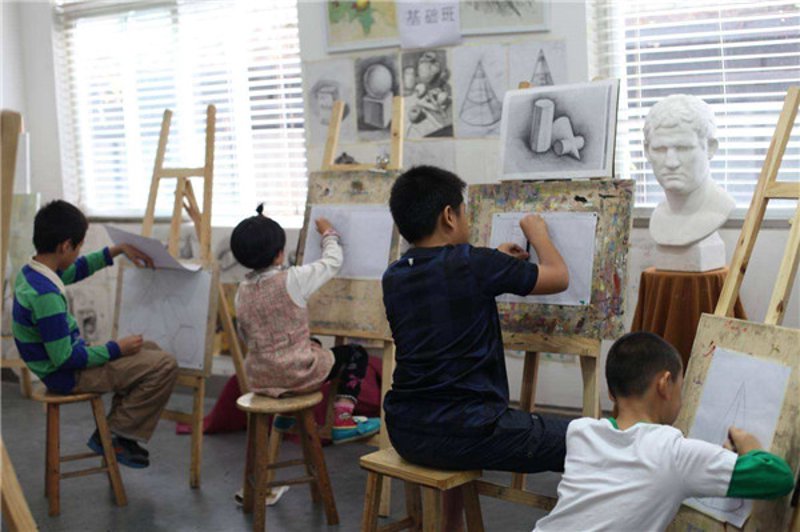
1. Introduction
In today's globalized world, understanding how to teach kids art and craft in English is crucial for educators and parents alike. This guide aims to provide a comprehensive approach to teaching young minds the joy of creating through artistic expression.
2. Benefits of Teaching Art and Craft
Engaging children in creative activities not only enhances their cognitive skills but also fosters creativity, innovation, and problem-solving abilities. Additionally, learning art and craft helps improve fine motor skills and promotes self-expression.
3. Key Elements of a Successful Art Class for Kids
- Materials: Ensure you have a variety of materials such as paints, crayons, scissors, glue, and construction paper available.
- Instructions: Clearly explain the steps involved in each activity to keep kids engaged and focused.
- Supervision: Always be present to guide and assist children as needed while ensuring their safety.
4. Sample Lesson Plan: Making Paper Flowers
- Cut colorful construction paper into strips for petals.
- Fold the strips accordion-style, then curl each petal by hand or with a pencil.
- Glue the folded petals together to form a flower shape.
5. Conclusion
Taught effectively, art and craft classes can be a fun and enriching experience for children. By providing them with these skills in English, you are not only enhancing their artistic abilities but also preparing them for the globalized world.
In summary, teaching kids art and craft is essential to nurturing their creativity and problem-solving skills. With proper planning and guidance, you can make a significant impact on their development through engaging activities that they will love!